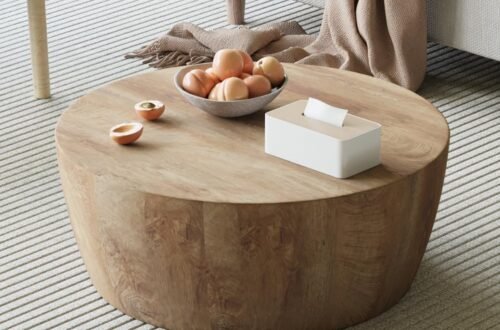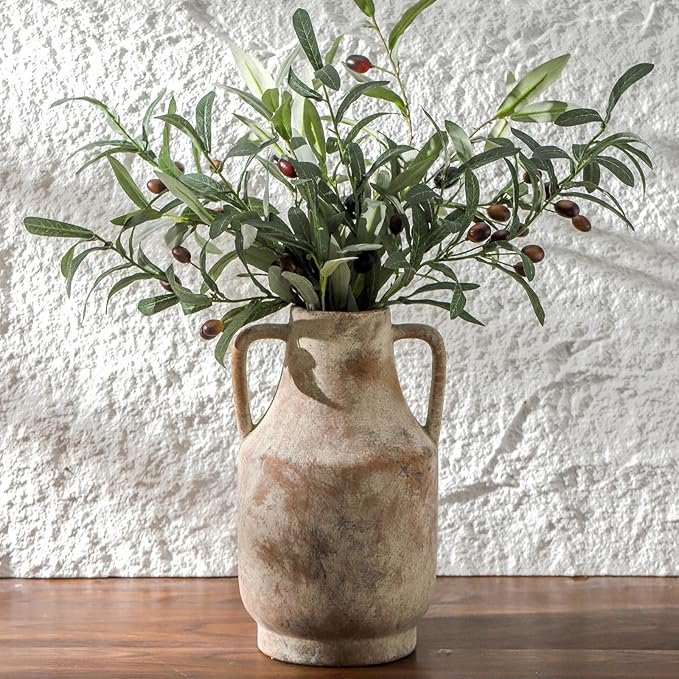
Minimal design doesn’t have to mean flat or sterile. The secret to creating a home that feels alive—without adding clutter—is texture. Texture brings warmth, depth, and quiet interest to a room, turning simplicity into sophistication. Whether your style leans Japandi, Organic Modern, or Coastal Minimalism, these designer-approved ideas will help you layer tactile elements beautifully while keeping your space calm and cohesive. 1. Mix Natural Materials Start with variety in your base materials. Pair linen upholstery, wool throws, wood furniture, and ceramic accents to build organic dimension. Designers often say that if everything in a room has the same finish,…
-
-
Introduction Japandi style—where Japanese minimalism meets Scandinavian coziness—has quickly become one of the most sought-after design aesthetics. Its clean lines, calming neutrals, and focus on function create a peaceful home environment. But here’s the secret to making Japandi interiors feel warm instead of stark: texture. By layering different materials and finishes, you can bring depth and character into your space while staying true to minimalist principles. Why Texture Matters in Japandi Interiors Without texture, minimalism can sometimes feel flat or cold. Japandi celebrates contrast: the smooth with the rough, the soft with the hard. Texture adds warmth, visual interest, and…
-
Japandi and Organic Modern are two of the most popular interior design styles of the moment — and for good reason. Both embrace minimalism, natural materials, and calming spaces. At first glance, they look similar, but each has its own distinct personality. Japandi leans into function, balance, and contrast, while Organic Modern highlights warmth, earth tones, and sculptural shapes. The best part? You don’t have to choose between them. These two styles blend beautifully, creating interiors that feel both timeless and inviting. Here’s how to mix Japandi and Organic Modern seamlessly in your home. 1) Start with a Neutral Foundation…