
When it comes to home design, two of the most talked-about styles today are Japandi and Organic Modern. At first glance, these looks can feel almost interchangeable—both highlight minimalism, natural elements, and serene spaces. But when you take a closer look, each has its own personality, roots, and design philosophy.
If you’ve ever wondered what makes Japandi different from Organic Modern (and which one might suit your home best), this guide will break it down for you.
What Is Japandi?
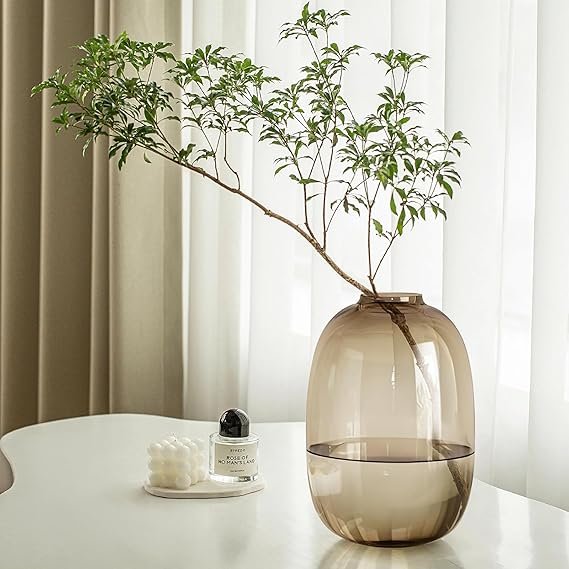
Japandi is the beautiful fusion of Japanese minimalism and Scandinavian warmth. This style emphasizes function, simplicity, and nature, while blending the cozy “hygge” vibe of Scandinavian interiors with the wabi-sabi appreciation for imperfection from Japanese design.
Key elements of Japandi design:
- Neutral, muted color palette (warm whites, soft greys, beige, and black accents)
- Low-profile furniture with clean lines
- Natural materials like wood, bamboo, linen, and ceramics
- Functional, clutter-free spaces
- A balance of light and dark contrast
- Handcrafted details that celebrate imperfection
The result is a calm, grounded environment that feels both modern and timeless.
What Is Organic Modern?
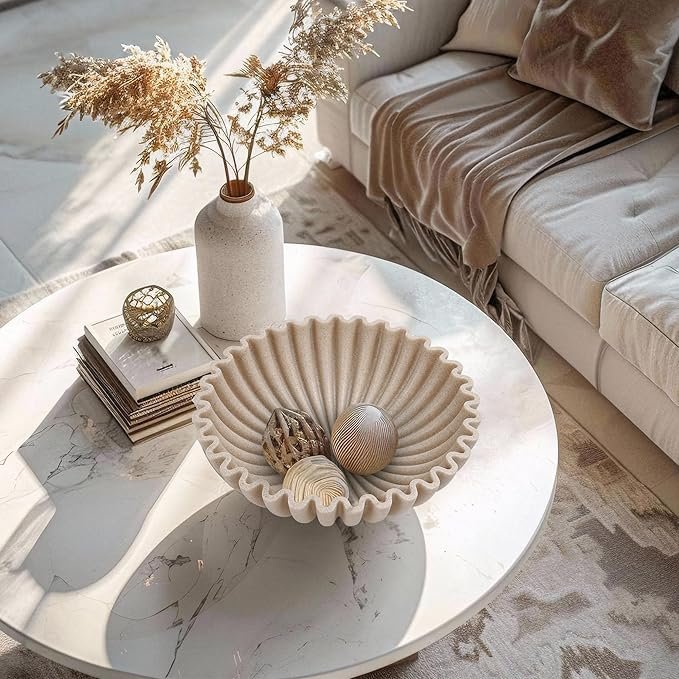
Organic Modern design also highlights simplicity and natural materials, but with a distinctly modern edge. Unlike Japandi, which has deep cultural roots, Organic Modern is more of a contemporary movement. It softens modern architecture and interiors by layering in earthy textures and organic shapes.
Key elements of Organic Modern design:
- Earth-toned color palette (warm browns, clay, sand, olive, and creamy neutrals)
- Sculptural furniture with rounded edges and soft curves
- Use of stone, reclaimed wood, rattan, and textured fabrics
- Minimalist styling, but with warmth and coziness
- Lots of natural light, often paired with oversized windows and open layouts
- A mix of sleek modern pieces with raw, organic elements
The result is a space that feels clean yet inviting, airy yet grounded—modern living softened by nature.
| Feature | Japandi | Organic Modern |
|---|---|---|
| Origin | Blend of Japanese & Scandinavian design traditions | Contemporary design trend rooted in modern minimalism |
| Color Palette | Neutral + black accents for contrast | Warm earth tones and muted neutrals |
| Furniture | Low-profile, functional, clean lines | Rounded, sculptural, organic shapes |
| Materials | Light woods, bamboo, linen, ceramics | Raw wood, stone, rattan, natural textiles |
| Mood | Calm, balanced, refined | Warm, cozy, nature-inspired |
| Philosophy | Simplicity + functionality, wabi-sabi | Modern minimalism softened by organic elements |
Which Style Is Right for You?
If you love sleek minimalism with a touch of coziness, Japandi may be your match. It’s perfect for those who want a serene, balanced home that emphasizes craftsmanship and simplicity.
If you prefer warm, earthy tones and a mix of modern design with natural textures, Organic Modern might be more your style. It’s ideal for creating a modern space that still feels soft, inviting, and connected to the natural world.
Can You Mix Japandi and Organic Modern?
Absolutely! These styles share many similarities, which makes blending them seamless. For example, you could embrace Japandi’s low-profile furniture while adding in Organic Modern’s sculptural lighting or warm-toned textiles. The key is to stay consistent with color and material choices so the space feels cohesive.
Final Thoughts
Both Japandi and Organic Modern bring the beauty of nature indoors while keeping things simple, functional, and timeless. The difference lies in their details: Japandi leans into cultural tradition and contrast, while Organic Modern emphasizes earth tones and organic shapes.
Whichever direction you choose, you’ll end up with a home that feels modern, peaceful, and beautifully connected to nature.


