
Minimalist design has taken the interior world by storm, and two of the most loved styles — Japandi and Wabi-Sabi — are often mentioned together. While they share Japanese influences and a love for simplicity, these styles have distinct philosophies and aesthetics. Understanding the differences can help you choose the right approach for your home.
What is Japandi Style?
Japandi is a fusion of Japanese minimalism and Scandinavian functionality. It combines the clean lines, natural materials, and clutter-free feel of Scandinavian design with the craftsmanship, harmony, and timelessness of Japanese interiors.
- Key Elements: Light wood furniture, neutral color palettes, simple lines, and natural textures.
- Overall Vibe: Calm, modern, and highly functional with an emphasis on cozy comfort.
- Why It Works: Japandi brings together the best of both worlds — the warmth of Scandinavian hygge and the refined elegance of Japanese simplicity.

What is Wabi-Sabi?
Wabi-Sabi is not just a design style — it’s a Japanese philosophy that embraces imperfection and impermanence. In interiors, this translates to organic textures, natural wear, and handmade objects that highlight authenticity and the passage of time.
- Key Elements: Raw wood, pottery, stone, linen, asymmetry, and muted earthy tones.
- Overall Vibe: Peaceful, grounding, and deeply connected to nature.
- Why It Works: Wabi-Sabi celebrates beauty in the imperfect — a crack in a ceramic bowl, a weathered wood table, or an uneven texture can be the highlight of a room.
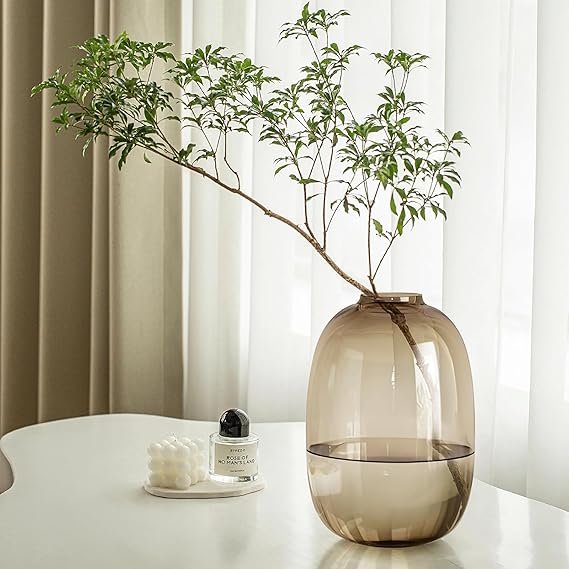
Japandi vs. Wabi-Sabi: The Main Differences
While both styles value simplicity and nature, here’s how they differ:
- Philosophy
- Japandi is about functionality + elegance.
- Wabi-Sabi is about imperfection + authenticity.
- Color Palette
- Japandi: Soft neutrals, light woods, touches of black.
- Wabi-Sabi: Muted earthy tones, raw textures, weathered finishes.
- Materials
- Japandi: Smooth finishes, clean lines, minimalist furniture.
- Wabi-Sabi: Rough-hewn wood, hand-thrown ceramics, organic imperfections.
- Vibe
- Japandi: Balanced, polished, calm but structured.
- Wabi-Sabi: Organic, rustic, soulful, and deeply connected to nature.
Which One is Right for You?
- Choose Japandi if you love sleek spaces, neutral colors, and a minimalist but cozy vibe.
- Choose Wabi-Sabi if you’re drawn to raw textures, natural imperfection, and interiors that feel soulful and organic.
Or better yet — mix them. Japandi and Wabi-Sabi complement each other beautifully, creating a home that’s both functional and filled with character.
Final Thoughts
Both Japandi and Wabi-Sabi embrace the beauty of simplicity, but in different ways. Japandi offers harmony and function, while Wabi-Sabi celebrates imperfection and authenticity. Whichever path you choose, you’ll create a home that feels intentional, calming, and timeless.
This post contains affiliate links. If you purchase through these links, I may earn a small commission at no extra cost to you. Images are courtesy of Amazon product listings.


